
Nutritionist Guide to Reducing Inflammation
Discover science-backed nutritional strategies to manage inflammation through food choices, meal planning, and lifestyle integration. Learn how proper nutrition can support your body's natural balance.
The information on this site is for educational purposes only and does not constitute medical advice. Always consult a qualified healthcare professional before making health decisions.
Core Nutritional Principles
Understanding the fundamental approaches to nutrition that support balanced inflammation levels in your body
Whole Food Foundation
Build your nutrition around minimally processed, whole foods rich in natural nutrients. Emphasize colorful vegetables, fruits, legumes, and whole grains that provide antioxidants and fiber to support your body's natural processes.
Healthy Fat Balance
Incorporate omega-3 fatty acids from sources like fatty fish, flaxseeds, and walnuts while reducing processed vegetable oils. The balance between different types of fats significantly influences your body's inflammatory response patterns.
Micronutrient Density
Prioritize foods rich in vitamins, minerals, and phytonutrients like vitamin C, D, E, magnesium, and selenium. These nutrients play essential roles in supporting your body's natural protective mechanisms and nutrient absorption.
Meal Composition Strategy
Structure meals with proper ratios of protein, complex carbohydrates, and healthy fats. Consistent meal timing and balanced portions help maintain stable energy levels and support your body's metabolic functions throughout the day.
Personalized Nutrition Approach
Recognize that individual nutritional needs vary based on genetics, lifestyle, and personal food responses. Monitor your body's signals and adjust your food choices accordingly to discover what works best for your unique composition.
Lifestyle Integration
Nutrition works best alongside quality sleep, regular movement, stress management, and hydration. These factors interact together to support your overall wellness and help your body maintain optimal function.
Understanding Food Choices That Matter
Food is one of the most direct ways we influence our body's inflammatory response. Certain foods trigger increased inflammatory markers, while others provide compounds that support your body's natural balance.
Foods to Minimize
Processed foods with added sugars, refined oils, and artificial ingredients may increase inflammatory markers. Ultra-processed snacks, sugary beverages, and deep-fried items lack the protective compounds found in whole foods.
Foods to Emphasize
Rich sources of antioxidants and polyphenols like berries, leafy greens, fatty fish, nuts, and spices such as turmeric and ginger contain compounds that support your body's natural protective response.
Individual Variation
Everyone's body responds to foods differently. Keeping a food journal helps identify which specific foods make you feel energized and which may trigger undesirable responses in your individual body.

Five-Step Inflammation Reduction Protocol
A comprehensive framework for implementing nutritional changes that support your body's natural balance and overall wellness
Assess Your Current Diet
Spend one week recording everything you eat and drink, noting how different foods affect your energy, digestion, and overall feeling. Identify patterns and baseline habits without judgment—this awareness is your foundation for change.
Add Anti-Inflammatory Foods
Rather than focusing on restriction, start incorporating protective foods: colorful vegetables, berries, fatty fish, leafy greens, nuts, and spices. Gradual addition of nutrient-dense foods naturally crowds out less supportive options.
Reduce Processed Items
Identify processed foods in your current diet and slowly replace them with whole alternatives. Read ingredient labels, cook at home more often, and choose foods that spoil rather than foods that last indefinitely on shelves.
Establish Meal Patterns
Create consistent meal timing and balanced compositions with protein, healthy fats, and complex carbohydrates. Stable eating patterns help regulate your body's metabolic responses and provide sustained energy throughout your day.
Monitor and Adjust
Track how you feel over several weeks—energy levels, digestion, sleep quality, and overall wellness. Fine-tune your food choices based on your body's feedback, recognizing that optimal nutrition is deeply personal and evolves.
Essential Anti-Inflammatory Foods
Key foods recognized for their nutrient profiles and protective compounds that support your body's natural balance

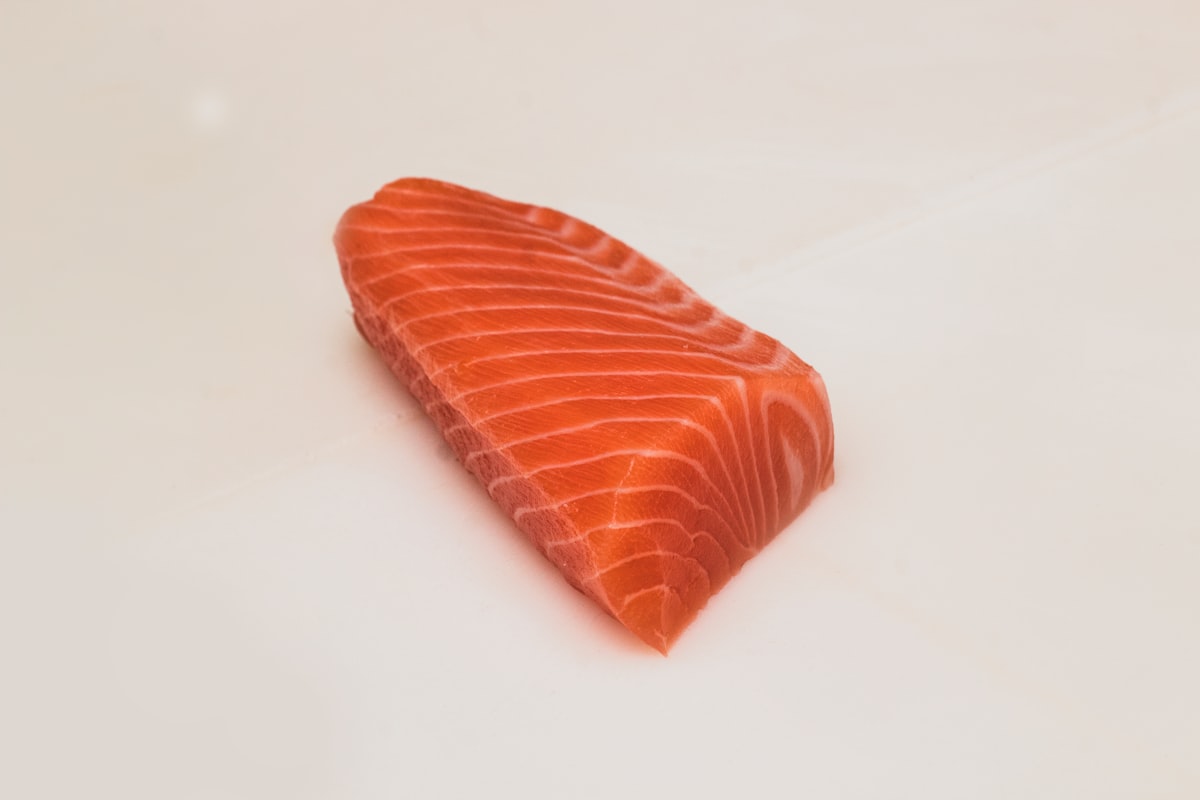
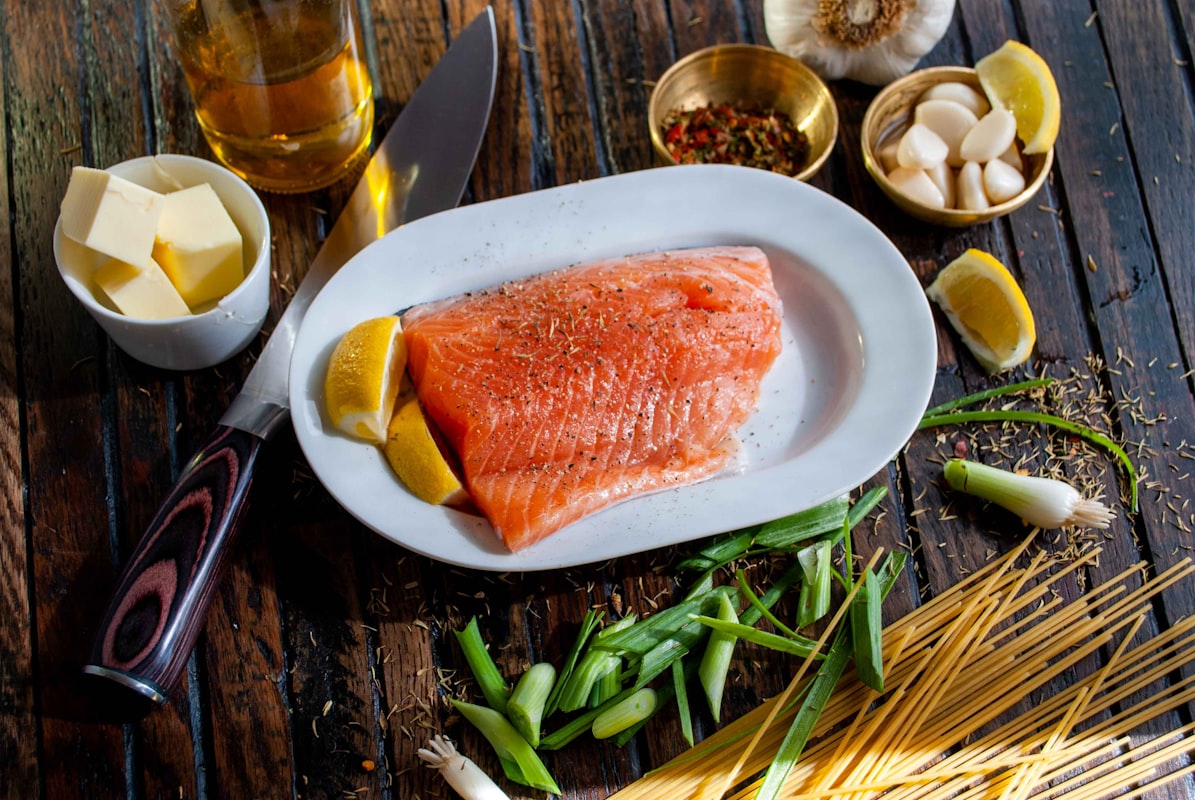
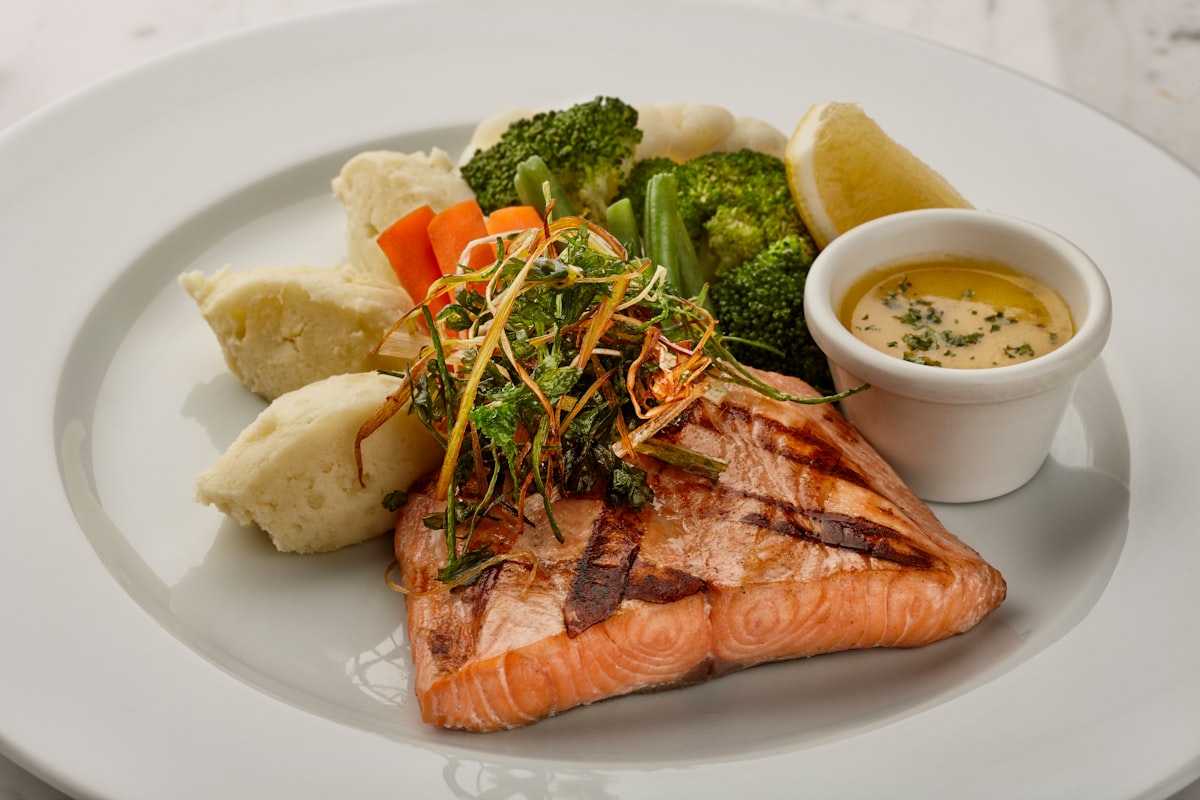
Fatty Fish
Salmon, mackerel, sardines, and trout provide omega-3 fatty acids (EPA and DHA) that support your body's natural protective responses and cardiovascular function.
- Rich in omega-3s
- High quality protein
- Vitamin D source
Leafy Greens
Spinach, kale, arugula, and Swiss chard contain antioxidants and phytonutrients that support your body's protective mechanisms and provide essential minerals.
- Packed with antioxidants
- Mineral-rich
- Low glycemic impact
Berries
Blueberries, strawberries, raspberries, and blackberries deliver anthocyanins and polyphenols—compounds your body uses to support its natural protective response.
- High in antioxidants
- Low sugar impact
- Fiber support
Nuts and Seeds
Almonds, walnuts, flaxseeds, and chia seeds offer omega-3s, vitamin E, and magnesium—nutrients that support your body's natural balance and cognitive function.
- Healthy fats
- Mineral-rich
- Portable nutrition
Protective Spices
Turmeric, ginger, cinnamon, and garlic contain curcumin and other bioactive compounds that support your body's natural processes and add flavor without calories.
- Potent bioactives
- Zero calorie
- Traditional use

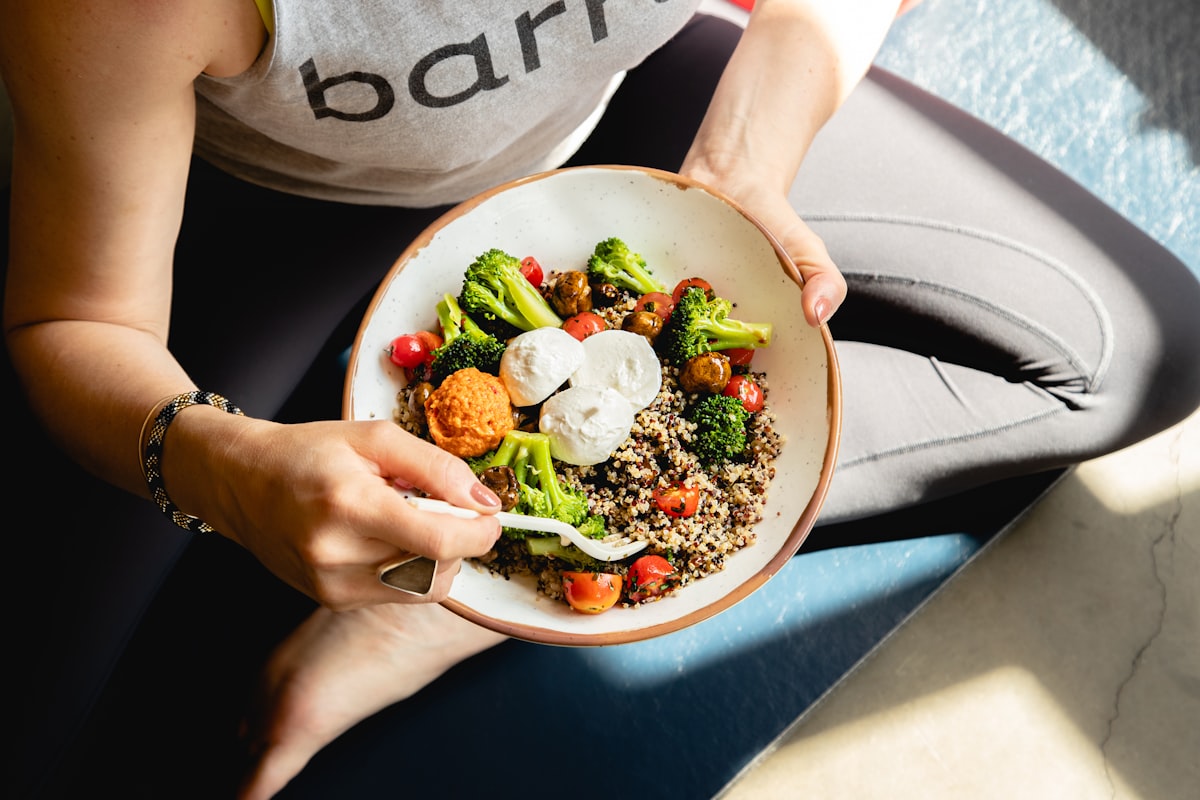
Cruciferous Vegetables
Broccoli, cauliflower, Brussels sprouts, and cabbage provide sulforaphane and indoles—compounds that support your body's natural detoxification and protective pathways.
- Sulfur compounds
- Versatile cooking
- Budget-friendly
Comparative Benefits of Nutritional Approaches
Understanding how different dietary patterns influence your body's response and overall wellness outcomes
| Dietary Approach | Food Focus | Key Benefits | Implementation |
|---|---|---|---|
| Mediterranean Pattern | Fish, olive oil, vegetables, legumes, whole grains | Supports cardiovascular function, omega-3 rich, research-backed pattern | Accessible, versatile cooking methods, social eating |
| Plant-Forward Whole Foods | Vegetables, fruits, legumes, whole grains, nuts | High fiber, abundant antioxidants, sustainable approach | Budget-friendly, seasonal shopping, diverse flavors |
| Low-Glycemic Pattern | Non-starchy vegetables, quality proteins, healthy fats | Stable energy levels, supports metabolic function, sustained fullness | Emphasizes whole foods, reduces processed items, customizable |
| Antioxidant-Rich Pattern | Colorful vegetables, berries, spices, green tea, dark chocolate | Protects cells, supports energy production, enhances longevity markers | Enjoyable flavors, flexible framework, easy to modify |
| Balanced Macronutrient Pattern | Protein, complex carbs, healthy fats in balanced proportions | Sustained energy, muscle support, hormonal balance, appetite regulation | Individual customization, meal planning focus, tracking optional |
Common Questions About Anti-Inflammatory Nutrition
Find answers to frequently asked questions from our community
Individual timelines vary significantly. Some people notice improved energy and digestion within days, while other changes—like sustained improvements in how their body feels—develop over weeks or months. Consistency matters more than perfection. Most people benefit from giving dietary changes at least 3-4 weeks before evaluating how they feel. Keep in mind that your body is dynamic, and adjustments may continue as you discover what works best for your unique composition.
Real Stories from Our Community
See how Wellmensnutri has helped people transform their relationship with food and fitness
"Wellmensnutri helped me understand that nutrition isn't about restriction—it's about fueling my body properly. In just three months, I have more energy and actually enjoy eating healthy."
James Martinez
Fitness Enthusiast
"The practical tips made everything click for me. No more yo-yo dieting—just sustainable habits that fit into my real life. I'm stronger and healthier than ever."
Sarah Reynolds
Marathon Runner
"I finally understand macros and why they matter for my goals. The science-backed approach gave me confidence to make better choices every single day."
Alexandra Chen
CrossFit Athlete
Ready to Transform Your Nutrition?
Join thousands of people who've discovered that proper nutrition and fitness go hand-in-hand. Start your journey with Wellmensnutri today.